
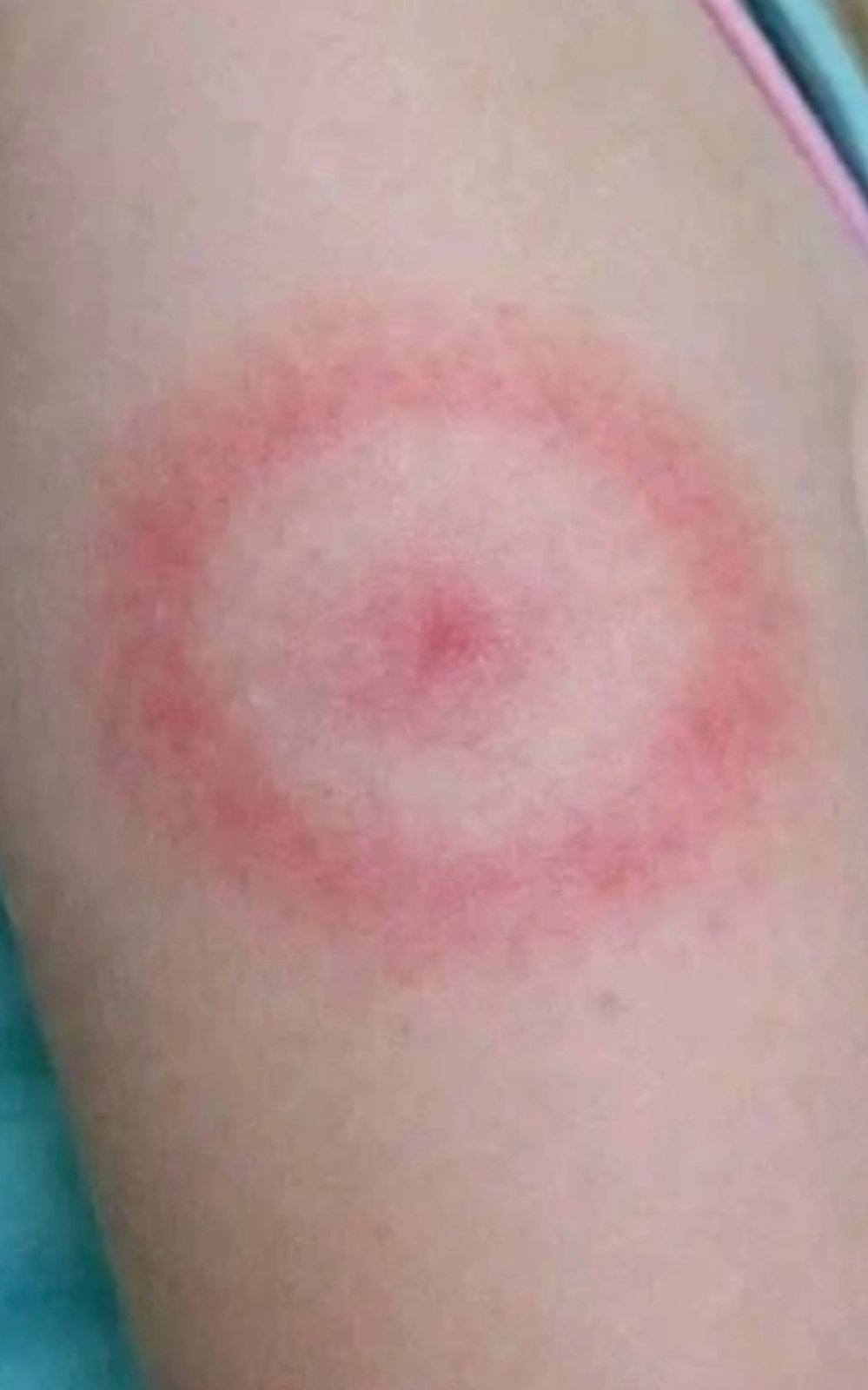
# My Daughter Woke Up with This Strange Red Ring on Her Arm: It’s Not Itchy but Looks Spreading. I’m Panicking—Do I Need to Rush Her In?
Seeing a strange red ring on your child’s skin can be alarming, especially when it appears suddenly upon waking. As a parent, it’s natural to panic and want to take immediate action. In this comprehensive guide, we will explore potential causes of such a skin condition, when to seek medical attention, and helpful tips for managing the situation effectively.
## Understanding Skin Rashes in Children
Skin issues in children can manifest in numerous ways, often causing concern for parents. Rashes can arise from various factors, including allergic reactions, infections, and environmental triggers. Understanding these possible causes can help you assess the situation better.
### Common Causes of Red Rashes
1. **Allergic Reactions**: Allergies to food, medication, or environmental substances like pollen can lead to localized rashes. If this ring corresponds with new foods or products, allergies could be the cause.
2. **Infections**: Certain infections, such as ringworm or bacterial infections, may present with red, spreading rings. These often require medical evaluation.
3. **Bug Bites**: Insect bites can also create red spots or rings. They typically include swelling and may appear red around the bite area.
4. **Eczema or Dermatitis**: Conditions like eczema can cause red, inflamed patches that may spread over time. They are often triggered by stress, weather changes, or irritants like soaps and fabrics.
5. **Other Skin Conditions**: Conditions such as psoriasis or tinea (ringworm) need to be ruled out. They can sometimes present as rings or patches on the skin.
## Identifying the Symptoms
When your daughter wakes up with a red ring on her arm, you need to gather additional information to determine the next steps. Ask yourself the following questions:
– **Is the rash painful or tender?**: Pain can indicate an infection or another underlying issue.
– **Are there any other symptoms?**: Look for fever, swelling, or other skin changes, which could indicate a more serious condition.
– **Has she recently been outdoors?**: Exposure to new environments can lead to insect bites or allergic reactions.
### Monitoring the Rash
As the rash evolves, it is essential to monitor it closely:
– **Size and Shape**: Is the ring growing larger, or is it staying the same size?
– **Color**: Is the color deepening or changing?
– **Accompanying Symptoms**: Keep track of any additional symptoms, such as itching, fever, or fatigue.
## When to Seek Medical Evaluation
While many rashes may resolve on their own, there are specific situations where immediate medical attention is warranted. If your daughter’s rash:
– Begins to ooze or crust over
– Is accompanied by a fever or swollen lymph nodes
– Causes significant discomfort or pain
– Spreads rapidly beyond the initial ring
**Urgent Care Visit**: If you notice any of these symptoms, it’s best to seek urgent care or visit the emergency room.
## Home Care Practices
While waiting to see a doctor or if the condition seems mild, there are several things you can do at home to help your daughter:
1. **Keep the Area Clean**: Gently wash the area with mild soap and water to prevent infection.
2. **Avoid Irritating Products**: Steer clear of lotions or creams that could exacerbate the rash.
3. **Cold Compresses**: Apply a clean, cold compress to soothe the area, especially if there is swelling or discomfort.
4. **Monitor Temperature**: Keep an eye on her temperature. If it rises, consider over-the-counter fever reducers suitable for children.
5. **Document Changes**: Taking pictures of the rash’s progression can help healthcare providers assess the situation more effectively when you seek help.
## Professional Treatment Options
If the rash does require medical attention, a healthcare provider may use various methods to treat it based on the diagnosis:
– **Topical Treatments**: Depending on the rash’s nature, corticosteroids or antifungal creams may be prescribed.
– **Antihistamines**: For allergic reactions, antihistamines may reduce symptoms.
– **Oral Medications**: In severe cases, oral medications or antibiotics might be necessary.
## Preventive Measures
Once the immediate concern is addressed, consider the following to prevent future skin issues:
– **Be Vigilant with Allergens**: Maintain a log of foods and substances that seem to trigger skin reactions.
– **Use Gentle Skin Products**: Select hypoallergenic products for your child’s skincare routine.
– **Keep the Environment Clean**: Regularly clean areas where your child plays to reduce exposure to potential allergens or irritants.
– **Educate on Insect Safety**: Teach your child to avoid areas where they may encounter insect bites.
## Conclusion
Finding a strange red ring on your daughter’s arm can be a concerning experience for any parent. While it is natural to panic, staying calm and gathering information is crucial. Monitor the situation closely, utilize home care practices if appropriate, and don’t hesitate to seek medical attention if the symptoms suggest a more serious condition. With the right approach, you can ensure your daughter gets the appropriate care, allowing you to maintain peace of mind during such an unsettling time. Remember, knowledgeable parents are empowered parents—staying informed can make all the difference in your child’s health and well-being.