
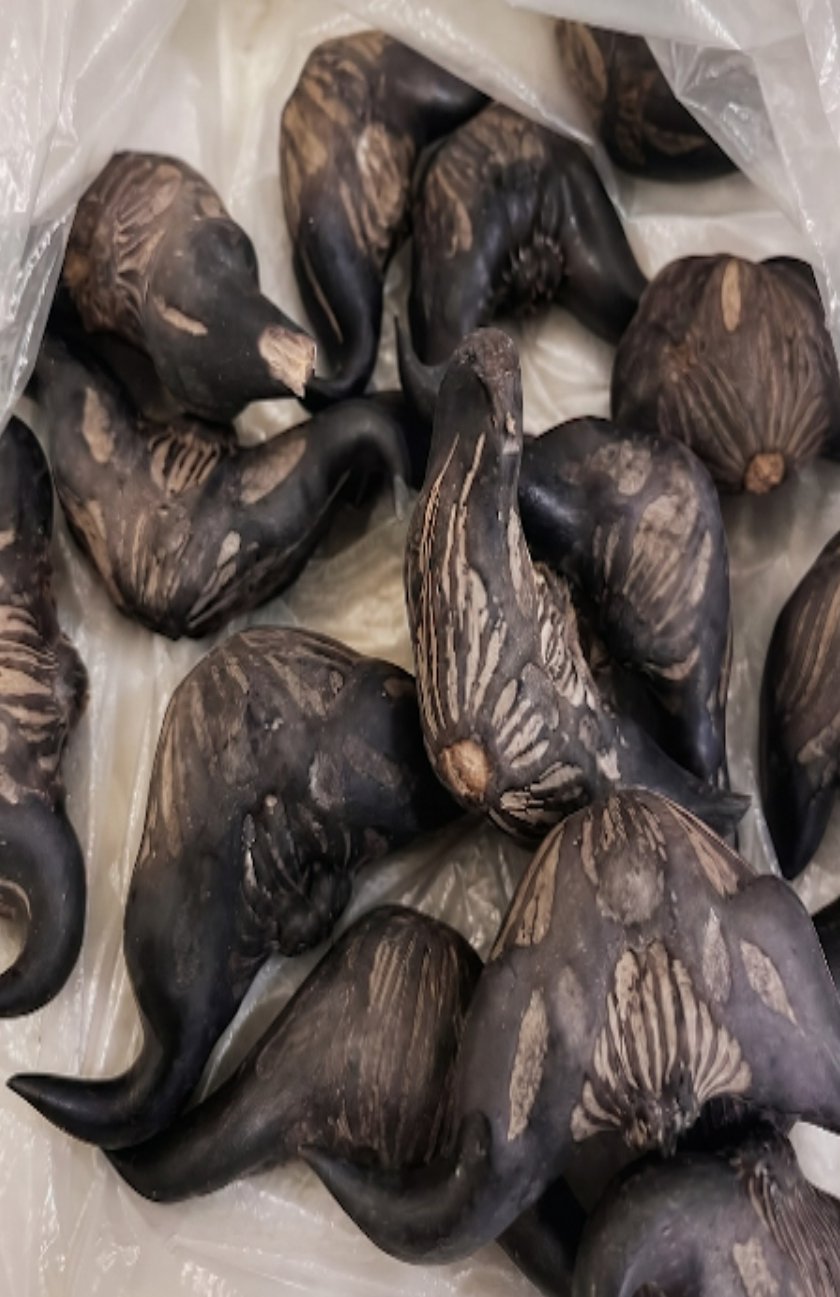
# Mysterious Horned Fruits: A Guide to Water Caltrops
Water caltrops, often referred to as horned fruits due to their distinct shape, are fascinating aquatic plants that belong to the family Trapaceae. With their unique appearance and varied culinary uses, these remarkable fruits have captured the attention of chefs and health enthusiasts around the world. In this guide, we will delve into the history, nutritional value, culinary applications, and growing practices of water caltrops.
## What Are Water Caltrops?
Water caltrops (Trapa natans) are floating aquatic plants that thrive in freshwater lakes, ponds, and marshes. They are characterized by their distinctive nut-like fruits that are hard and horned, resembling a bull’s head. The plant also features large, dark green leaves that float on the water’s surface, providing shade and habitat for various aquatic wildlife.
### Historical Background
Historically, water caltrops have been cultivated for centuries, particularly in parts of Asia. Ancient texts in China mention water caltrops as a food source, and they have been an essential part of traditional Asian diets. In many regions, these fruits are harvested during the late summer and early autumn months, coinciding with their peak ripeness.
## Nutritional Value of Water Caltrops
Water caltrops are not only intriguing in appearance; they are also packed with essential nutrients. These fruits are low in calories and provide a variety of vitamins and minerals that make them an excellent addition to a healthy diet. Here are some key nutritional benefits:
– **Rich in Antioxidants**: Water caltrops contain antioxidants that help combat oxidative stress and support overall health.
– **High in Fiber**: The fruits are a good source of dietary fiber, promoting digestive health and helping regulate blood sugar levels.
– **Vitamins and Minerals**: They are rich in essential vitamins such as Vitamin B1 (Thiamine), Vitamin C, and minerals like iron, calcium, and potassium.
Incorporating water caltrops into your diet can provide numerous health benefits while adding variety to your meals.
## Culinary Uses of Water Caltrops
One of the most exciting aspects of water caltrops is their culinary versatility. These horned fruits can be enjoyed in various forms—fresh, cooked, or dried. Here are some popular ways to prepare and incorporate water caltrops into your cooking:
### 1. Fresh Salads
Fresh water caltrops can be added to salads for a crunchy texture. Simply peel the outer shell and slice the nut into thin pieces. Pair them with greens, nuts, and a light vinaigrette to create a refreshing and nutritious salad.
### 2. Stir-Fried Dishes
In Asian cuisine, water caltrops are often stir-fried with vegetables and proteins. Their subtly sweet and nutty flavor complements a variety of ingredients. Add them to your favorite stir-fry recipe for an interesting twist.
### 3. Snacks
Dried water caltrops can be roasted for a crunchy, healthy snack. These can be seasoned with salt, herbs, or spices for an extra burst of flavor. Dried fruits make an excellent alternative to conventional snacks when you’re on the go.
## How to Grow Water Caltrops
If you’re interested in growing your own water caltrops, you’ll be pleased to know that they can be cultivated in home gardens with the right conditions. Here are essential steps to grow water caltrops successfully:
### 1. Choose the Right Location
Water caltrops thrive in shallow, still waters. Look for a pond, lake, or container garden that provides at least 12 inches of water depth. Ensure that the area receives plenty of sunlight for optimal growth.
### 2. Planting
To plant water caltrops, you can either sow seeds directly into the water or start them in pots. If starting from seeds, soak them for 24 hours before planting. Space them out adequately to allow for growth.
### 3. Maintenance
Water caltrops require minimal maintenance once established. Ensure the water remains clean and free from contaminants. In some cases, water should be replenished to maintain appropriate levels, especially in hot weather.
### 4. Harvesting
Harvesting takes place when the fruits begin to mature, typically in late summer to early autumn. Carefully remove the fruits from the water, clean them, and prepare them for culinary use.
## Conclusion
Water caltrops, with their unique horned shape and rich nutritional profile, offer diverse culinary possibilities and potential health benefits. Whether you enjoy them fresh, stir-fried, or as a snack, integrating water caltrops into your diet can add excitement and variation. For those interested in gardening, growing your own water caltrops can be a rewarding experience.
With their application in traditional dishes and modern culinary practices, these mysterious horned fruits are worth exploring. As you embark on your journey into the world of water caltrops, you’ll discover not only a delicious food source but also a fascinating connection to natural ecosystems. So why not delve into this delightful fruit today? Not only will you expand your palate, but you’ll also boost your health and wellness in the process. Happy cooking!