
# Moringa for Collagen Production: How This Superfood Supports Skin Health Naturally
In today’s wellness-oriented world, superfoods have gained immense popularity for their health benefits. Among these, Moringa oleifera, commonly referred to as Moringa, has emerged as a powerful natural remedy for skin health. One of its lesser-known benefits is its ability to support collagen production, which plays a crucial role in maintaining youthful skin. In this article, we explore how Moringa aids in collagen production and its overall impact on skin health.
## What is Moringa?
Moringa is a tree native to the Indian subcontinent and parts of Africa, known for its nutrient-dense leaves, pods, and seeds. Often referred to as the “drumstick tree” or “miracle tree,” Moringa is celebrated for its high concentration of vitamins, minerals, and antioxidants. These properties make it a popular supplement among health enthusiasts, particularly for skin health.
## Understanding Collagen and Its Importance
Collagen is the most abundant protein in the human body, primarily found in skin, bones, muscles, tendons, and ligaments. It provides structural support to the skin, ensuring elasticity and firmness. As we age, collagen production declines, leading to wrinkles, sagging skin, and other signs of aging. Factors such as sun exposure, pollution, and poor nutrition can also contribute to reduced collagen levels, making it essential to find ways to support its production naturally.
## How Moringa Supports Collagen Production
### 1. Rich Source of Amino Acids
Moringa is packed with essential amino acids, the building blocks of proteins like collagen. It contains all nine essential amino acids, making it a complete protein source. These amino acids are critical for the synthesis of collagen in the body, assisting in repairing and regenerating skin tissues.
### 2. High in Vitamin C
Vitamin C is an essential nutrient for collagen synthesis. It plays a vital role in stabilizing the collagen molecule and assists in its formation. Moringa leaves are an excellent source of Vitamin C, with higher concentrations than oranges. Incorporating Moringa into your diet can help ensure you meet your daily Vitamin C needs, supporting collagen production and overall skin health.
### 3. Antioxidant Properties
Moringa is rich in antioxidants such as quercetin, chlorogenic acid, and beta-carotene. Antioxidants combat oxidative stress caused by free radicals, which can damage collagen fibers and accelerate skin aging. By reducing oxidative damage, Moringa helps preserve collagen integrity and promotes a youthful appearance.
### 4. Anti-Inflammatory Effects
Chronic inflammation can lead to skin issues and accelerate collagen breakdown. Moringa contains anti-inflammatory compounds that help reduce inflammation in the body. By minimizing inflammation, Moringa contributes to healthier skin and supports the preservation of collagen levels.
### 5. Nourishing Your Skin
Moringa is a powerhouse of vitamins and minerals, including Vitamin A, Vitamin E, calcium, potassium, and magnesium. These nutrients play critical roles in skin health, promoting cellular repair, hydration, and protection against environmental factors. By nourishing the skin from within, Moringa helps create an optimal environment for collagen production.
## Ways to Incorporate Moringa into Your Diet
Integrating Moringa into your daily routine is easy and beneficial. Here are some effective ways to enjoy this superfood:
### 1. Moringa Powder
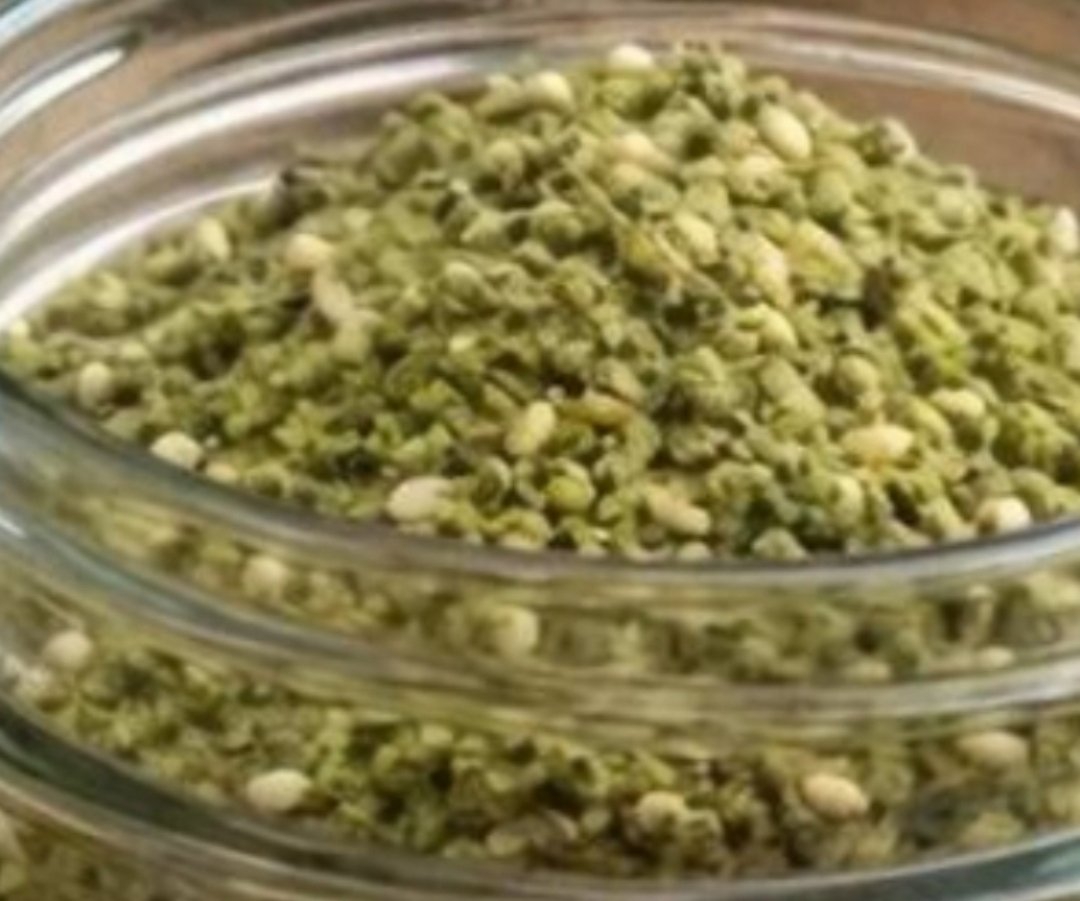
Moringa powder is one of the most popular forms of consumption. Add a teaspoon of Moringa powder to your smoothies, teas, or oatmeal. It can also be incorporated into soups and sauces for an extra nutrient boost.
### 2. Moringa Capsules
If you prefer convenience, Moringa capsules are available as a dietary supplement. Make sure to choose high-quality products from reputable brands to ensure you reap the full benefits of this superfood.
### 3. Fresh Moringa Leaves
If you have access to fresh Moringa leaves, incorporate them into salads, stir-fries, or wraps. They can be used similarly to spinach, making them a versatile addition to your meals.
### 4. Moringa Tea
Brewing Moringa tea is another delightful way to enjoy its health benefits. Steep dried Moringa leaves in hot water for 5-10 minutes and enjoy a refreshing beverage that supports skin health.
## Other Benefits of Moringa for Skin
In addition to boosting collagen production, Moringa offers several other advantages for skin health:
### 1. Hydration
Moringa helps maintain skin hydration due to its high water content and nutritional profile. Adequate hydration is essential for skin elasticity and prevents dryness.
### 2. Skin Healing
The anti-inflammatory and antimicrobial properties of Moringa can help acne-prone and sensitive skin by reducing redness and irritation, promoting an even skin tone.
### 3. Sun Protection
Moringa oil is often used in skincare products for its protective properties. It can help shield the skin from harmful UV rays and environmental stressors, further preserving collagen levels.
## Conclusion
Moringa is a remarkable superfood that supports collagen production and promotes overall skin health naturally. With its rich nutrient profile, including essential amino acids, Vitamin C, antioxidants, and anti-inflammatory compounds, Moringa deserves a spot in your diet. By incorporating Moringa into your routine, you can nurture your skin from the inside out, helping to maintain its elasticity and youthful glow. Embrace the power of Moringa and give your skin the nourishment it deserves while enjoying the many health benefits this incredible plant has to offer.