
# Apple Seeds and Cancer Claims: What Science Actually Says
Grandma always said, “An apple a day keeps the doctor away.” While this is a popular saying, it’s important to delve deeper into the characteristics of apples, particularly their seeds. Over the years, certain claims have emerged linking apple seeds to cancer, sparking a conversation filled with curiosity and caution. In this article, we will explore what science actually reveals about apple seeds and their association with cancer.
## What Are Apple Seeds?
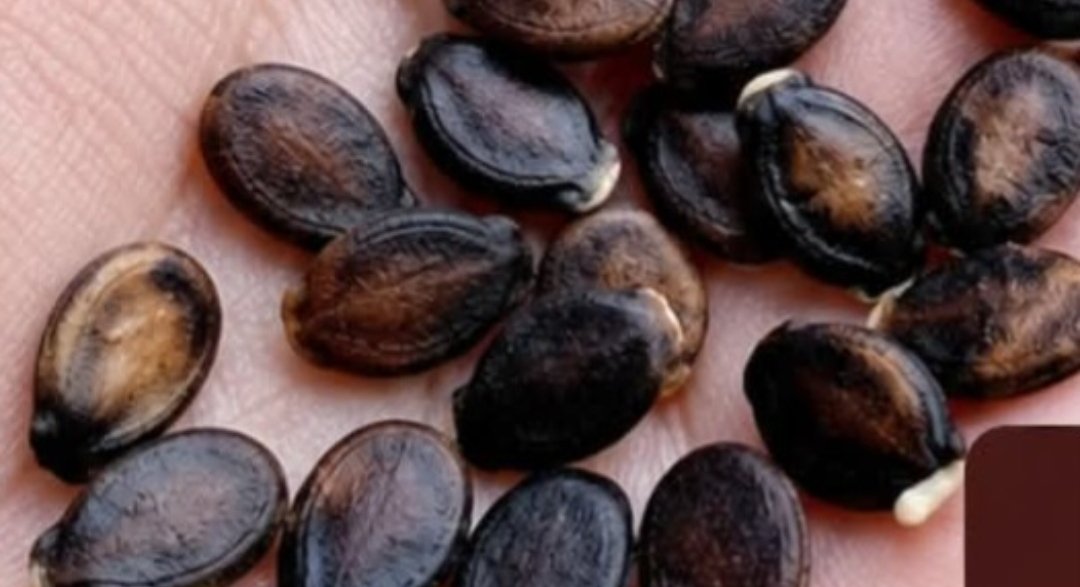
Apple seeds, or pips, are found within the core of the apple fruit. They contain amygdalin, a compound that, when metabolized, can release cyanide. While this may sound alarming, it is essential to understand the context and quantity involved. Each seed contains a tiny amount of amygdalin, and it would take a considerable amount of seeds to present any danger to human health.
## Understanding Amygdalin
Amygdalin is a naturally occurring compound found in various fruit seeds, including those of peaches, cherries, and plums, in addition to apple seeds. In the body, amygdalin can convert to cyanide when broken down, leading some to conclude that apple seeds pose a toxic threat. However, the human body is capable of handling small doses of cyanide, which is naturally found in our environment.
### The Myth of Apple Seeds and Cancer
One prevalent myth is that apple seeds can cure cancer or that they contain properties leading to cancer. This misconception largely stems from anecdotal claims and misinformation circulating on social media and various health blogs. Science offers a different perspective.
Research examining the relationship between amygdalin and cancer, particularly a compound marketed as “laetrile” or “vitamin B17,” has not found any solid evidence supporting the idea that it effectively treats or prevents cancer. The National Cancer Institute has clarified that amygdalin does not have any anticancer effects and that its ingestion can lead to cyanide poisoning.
## Scientific Research on Apples and Health
Rather than focusing solely on the seeds, it’s beneficial to look at the broader picture of apple consumption and overall health. Numerous studies highlight the health benefits of apples, which are rich in antioxidants, vitamins, and dietary fiber. Here are some key points:
### Nutritional Value of Apples
Apples are low in calories and a great source of dietary fiber. They also provide significant amounts of Vitamin C, potassium, and various antioxidants, which contribute to health benefits such as:
– **Heart Health**: Regular consumption of apples is linked to a reduced risk of heart disease due to their ability to lower cholesterol and improve blood pressure.
– **Weight Management**: Their high fiber content helps promote a feeling of fullness, which is beneficial for weight control.
– **Reduced Cancer Risk**: While apple seeds themselves are not beneficial, research indicates that apples as a whole may lower the risk of certain types of cancer, thanks to their antioxidants.
### Antioxidants and Cancer Prevention
The antioxidants found in apples, including quercetin and flavonoids, may help neutralize free radicals, reducing oxidative stress and inflammation in the body. Some studies suggest that these compounds can lower the risk of certain cancers, though this does not apply to the seeds directly.
## The Volume of Seeds Required for Toxicity
To be clear about the danger of apple seeds, an adult would have to consume large quantities of seeds to reach toxic levels. Estimates suggest that ingesting roughly 100 to 200 apple seeds in one sitting would be necessary to reach dangerous cyanide levels. In comparison, the average single apple contains about 5 seeds. Therefore, moderation is key, and consumption of whole apples remains safe and beneficial.
### Recommendations for Apple Consumption
Incorporating apples into one’s diet can provide numerous health benefits without the fear of consuming harmful compounds when done appropriately. Here are some tips for apple consumption:
– **Eat the Whole Apple**: Enjoy apples in their entirety, as the flesh is packed with nutrients and the skin contains the majority of the antioxidants.
– **Avoid Excessive Seed Consumption**: While swallowing a few seeds accidentally isn’t harmful, avoid intentionally chewing and consuming large quantities of apple seeds.
– **Include Varieties of Apples**: Different varieties of apples contain varying levels of nutrients and benefits, so try to incorporate a range.
## Conclusion
In summary, while apple seeds contain amygdalin, the risk of cyanide poisoning from consuming a few seeds is minimal. It is essential, however, to separate myths from facts. Research does not support claims that apple seeds can cure or prevent cancer. Instead, focus on the health benefits associated with the flesh and skin of apples, which are rich in vital nutrients and antioxidants.
To cultivate a healthy lifestyle, opt for whole apples and incorporate them into a balanced diet—not for the seeds, but for the many health benefits that these delicious fruits bring to our lives.