
# How to Choose the Sweetest Watermelon: Simple Signs to Check Before You Buy
Watermelons are a summer staple cherished for their sweetness, juiciness, and refreshing nature. However, selecting the perfect watermelon can be tricky. With so many options available, how can you ensure you get the sweetest one? This guide will provide simple signs to check before you buy, so you can savor every bite of your delicious watermelon.
## 1. Understand the Types of Watermelon
Before diving into physical characteristics, it’s essential to know the primary types of watermelon available on the market. The most common types include:
– **Seedless Watermelon:** These are great for convenience, especially for families with children.
– **Picnic Watermelon:** Typically larger, these are perfect for gatherings and outdoor events.
– **Icebox Watermelon:** Smaller watermelons suitable for refrigeration, ideal for personal consumption.
– **Yellow/Orange Flesh Watermelon:** Known for unique sweetness and flavor, these types can be a delightful surprise.
Understanding these types can help narrow down your choices based on your needs and preferences.
## 2. Inspect the Watermelon’s Appearance
The first step in choosing a watermelon is to examine its exterior. Look for these signs:
### Color
A ripe watermelon will have a consistent color all over its surface. Look for a deep green hue. Avoid watermelons with a shiny appearance, as this may indicate that it is underripe. Instead, go for a matte finish that suggests ripeness.
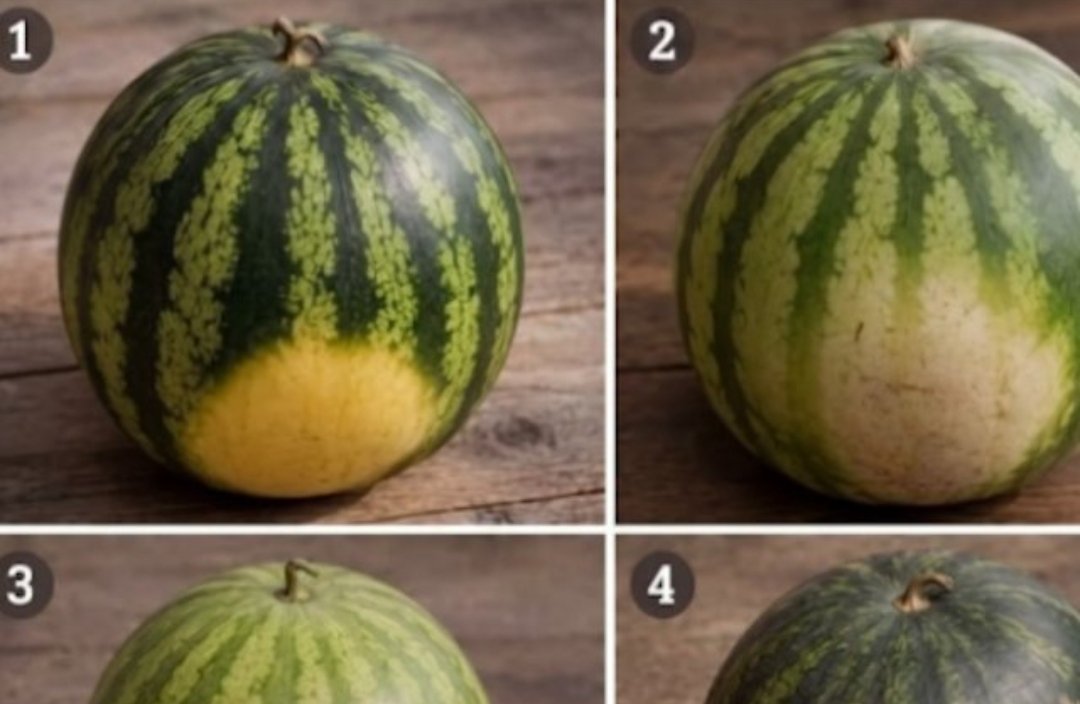
### Field Spot
The field spot—the area where the watermelon rested on the ground—can indicate ripeness. A creamy yellow or light orange field spot suggests that the watermelon has ripened on the vine. A white or green field spot means it may have been picked too soon, leading to less sweetness.
### Shape
A good watermelon should be symmetrical and uniform in shape. Irregular bumps or dents may indicate that the fruit didn’t develop properly and might not be as sweet. Opt for a rounded watermelon, as this often signifies that it’s packed with water and sweetness.
## 3. Check the Weight
When you have identified a few potential watermelons, it’s crucial to check their weight. Pick up the watermelon and gauge its heft. A ripe watermelon should feel heavy for its size, suggesting it is full of water and juice. As a rule of thumb, the heavier the watermelon, the sweeter it is likely to be.
## 4. Give it a Tap
One effective technique for determining ripeness is the “tap test.” Gently tap the watermelon with your knuckles. A ripe watermelon will produce a deep, hollow sound, while an under-ripe one will sound dull. This acoustic cue can be a valuable indicator of internal ripeness.
## 5. Look for Sugar Spots
Sugar spots are indications of sweetness. These small, dark spots can mean that the watermelon has been exposed to sugar while growing—a good sign of sweetness. However, be cautious; excessive dark spots or blemishes might indicate overripeness or spoilage.
## 6. Smell the Watermelon
The aroma can also provide insight into the quality of the watermelon. A ripe watermelon should emit a sweet, fragrant scent, particularly near its stem. If it smells bland or not at all, it may have been harvested too early.
## 7. Consider the Season
Timing can significantly affect the sweetness of watermelons. Typically, the peak season for watermelon in the United States runs from summer to early fall. If you are buying watermelons out of peak season, the chances of finding a sweet, ripe one decrease considerably.
### Know Your Local Varieties
Research local farmer’s markets or nearby farms that grow watermelons, as they might have varieties unique to your region that are exceptionally sweet. Supporting local farmers also ensures you get fresh produce at its peak.
## 8. Understanding Watermelon Varieties for Sweetness
Not all watermelons are created equal. Certain varieties are known for being sweeter than others:
– **Sugar Baby:** A smaller variety with incredibly sweet, red flesh.
– **Crimson Sweet:** Known for its bright red interior, this type has a great balance of sweetness and flavor.
– **Moon and Stars:** This variety has a unique appearance and is renowned for its sweetness.
Familiarizing yourself with these varieties can guide you in selecting the sweetest watermelon.
## Conclusion
Choosing the sweetest watermelon doesn’t have to be a guessing game. By examining its exterior, checking its weight, giving it a tap, smelling it, and being mindful of the seasons, you can confidently select a watermelon that will be the centerpiece of your summer gatherings. Armed with this knowledge, the next time you visit your local grocery store or farmer’s market, you’ll be well-equipped to choose a delicious and refreshing watermelon that will delight your taste buds and make your summer meals unforgettable. Enjoy your shopping and happy watermelon picking!