
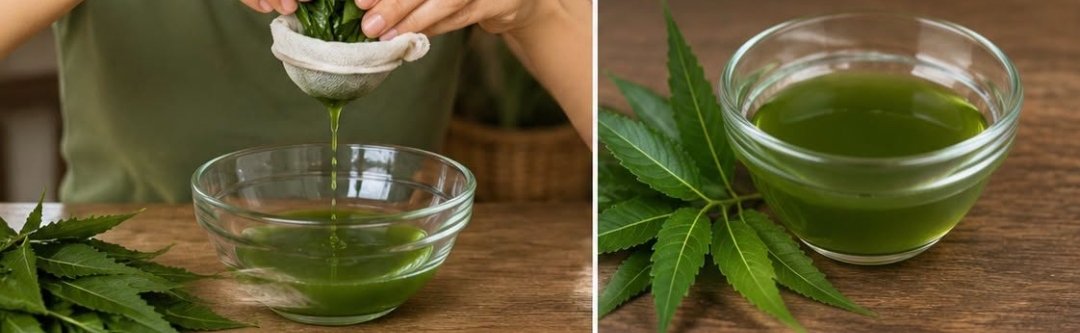
# The Oregano Plant is Distinctive
The oregano plant, a vibrant herb known for its distinctive flavor and aroma, has been a staple in culinary traditions and natural medicine alike. Its botanical classification, unique characteristics, and diverse uses make it a fascinating topic for gardeners, chefs, and health enthusiasts. In this article, we will explore the distinctive features of the oregano plant, its numerous benefits, and practical tips for cultivation and usage.
## Understanding Oregano: A Botanical Overview
### Family and Species
Oregano belongs to the Lamiaceae family, which is widely known for various aromatic herbs. The most common species consumed globally is Origanum vulgare, often referred to as Mediterranean oregano. Other varieties, such as Origanum onites and Origanum majorana (sweet marjoram), offer different flavors and culinary uses.
### Physical Characteristics
The oregano plant typically reaches a height of 12 to 24 inches. Its leaves are oval to lanceolate and come in various shades of green, often possessing a hint of silver due to fine hairs on the surface. The flowers, which are small and tubular, bloom in clusters ranging from pink to white, adding decorative value to garden spaces.
## The Distinctive Flavor Profile of Oregano
One of the most appealing aspects of oregano is its distinct flavor profile, which varies based on the plant’s growing conditions and geographical origin. The flavor can be described as warm, slightly bitter, and peppery, often with a hint of sweetness. This complexity makes oregano a favored herb in numerous cuisines, including Italian, Greek, and Mexican dishes.
### Culinary Uses
Oregano is widely regarded as an essential ingredient in various recipes:
– **Italian Cuisine:** Often used in pasta sauces, pizza, and herbal mixes, oregano adds depth to tomato-based dishes.
– **Greek Cuisine:** It features prominently in salads, grilled meats, and tzatziki, enhancing the flavor of Mediterranean fare.
– **Mexican Cuisine:** In salsa and chili dishes, oregano contributes a warm undertone, complementing spices effectively.
## Health Benefits of the Oregano Plant
Beyond its culinary uses, oregano is regarded for its health benefits, making it a valuable addition to any diet. Here are some of the notable advantages:
### Antioxidant Properties
Oregano contains a high concentration of antioxidants, which help combat oxidative stress and lower the risk of chronic diseases. Compounds like thymol and rosmarinic acid contribute significantly to these protective effects.
### Antimicrobial Effects
Research indicates that oregano possesses potent antimicrobial properties, making it effective against various bacteria and fungi. The essential oil extracted from oregano is often used in natural remedies and food preservation due to its ability to inhibit microbial growth.
### Digestive Health
Oregano can aid in digestion, thanks to its carminative properties, which help reduce bloating and gas. It has also been shown to stimulate the production of digestive enzymes, enhancing nutrient absorption.
### Anti-inflammatory Effects
The anti-inflammatory properties of oregano are associated with compounds like beta-caryophyllene, which may help reduce inflammation in the body. This property makes oregano a potential ally in managing arthritis and other inflammatory conditions.
## Growing Oregano: Tips and Best Practices
Cultivating the oregano plant can be a rewarding experience, whether in a garden or a pot. Here are essential tips for successful growth:
### Optimal Growing Conditions
1. **Soil:** Oregano thrives in well-draining soil with a pH level between 6.0 and 8.0. Adding organic matter can improve soil quality.
2. **Light:** Ensure your oregano plant receives full sunlight for at least six hours daily to promote healthy growth and abundant flavor.
3. **Watering:** Oregano prefers slightly dry conditions. Allow the soil to dry out between waterings, as overwatering can lead to root rot.
### Propagation Techniques
Oregano can be propagated through seeds, cuttings, or division. While starting from seeds requires patience, cuttings from healthy plants provide a faster method for establishing new growth.
### Harvesting Oregano
When harvesting, snip stems just above a leaf node to encourage bushier growth. Regular pruning not only enhances the plant’s shape but also increases the production of flavorful leaves.
## Using Oregano in Everyday Life
Oregano’s versatility extends beyond the kitchen. Here are some innovative ways to incorporate this distinctive herb into daily life:
### Culinary Applications
– **Infused Oils:** Create infused oils by steeping oregano leaves in olive oil for use in salads, marinades, and dipping sauces.
– **Herb Blends:** Include dried oregano in spice mixes for seasoning meats, vegetables, and grains.
### Aromatherapy and Health Products
Oregano essential oil can be diluted for topical application, promoting skin health and providing relief from minor ailments. It can also be used in a diffuser to enjoy its aromatic benefits in your home.
## Conclusion
The oregano plant is truly distinctive, thanks to its unique flavor, myriad health benefits, and versatility in culinary and medicinal uses. By understanding its characteristics and practical applications, anyone can appreciate the value of this remarkable herb. Whether you aim to enhance your cooking, boost your health, or enjoy the beauty of its blooms in your garden, oregano is an herb worth embracing. So, go ahead and grow your own oregano plant and experience its distinctive qualities firsthand.