
# The Miracle Leaf? Fact-Checking the Claims Around Kalanchoe pinnata
Kalanchoe pinnata, commonly known as the “miracle leaf” or “life plant,” has garnered attention for its purported health benefits and medicinal properties. This succulent plant, native to Madagascar, is often touted for its ability to treat various ailments, leading many to question whether the claims hold any scientific merit. In this article, we will carefully examine the claims surrounding Kalanchoe pinnata, exploring its uses, benefits, and the scientific evidence that supports or debunks its reputation.
## What is Kalanchoe pinnata?
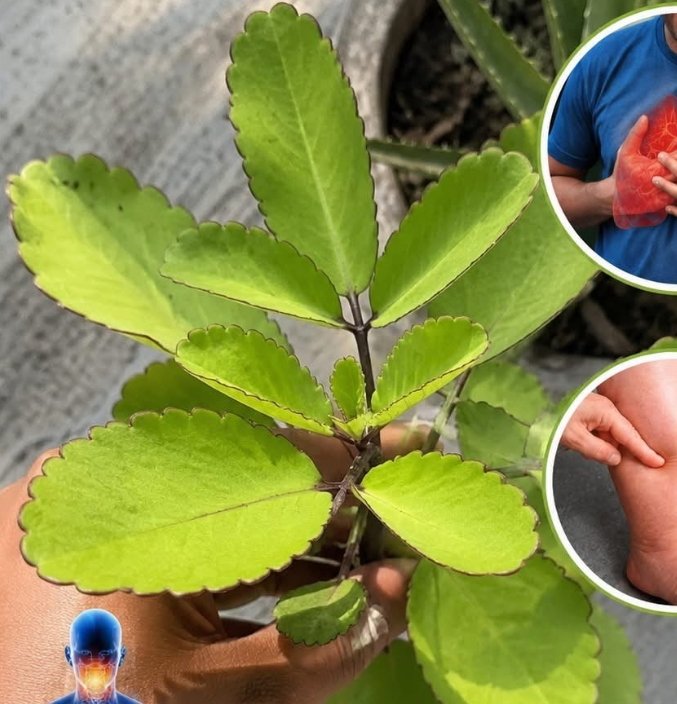
Kalanchoe pinnata is a perennial succulent in the Crassulaceae family. Characterized by its thick, fleshy leaves, this plant is commonly found in tropical and subtropical regions around the world. The leaves can grow up to 30 centimeters long and are known for their serrated edges. Often used for ornamental purposes, Kalanchoe pinnata is also valued in traditional medicine.
## Common Claims About Kalanchoe pinnata
The excitement surrounding Kalanchoe pinnata primarily stems from its supposed therapeutic properties. Some of the claims include:
1. **Anti-inflammatory Effects**: Many advocates suggest that the leaves of Kalanchoe pinnata can reduce inflammation, making it useful for conditions like arthritis.
2. **Wound Healing**: Some proponents argue that applying a poultice made from the leaves can speed up the healing of cuts and wounds.
3. **Anti-Cancer Properties**: There are claims that Kalanchoe pinnata can inhibit tumor growth and even aid in cancer treatment.
4. **Respiratory Health**: Some users state that it can alleviate symptoms of respiratory ailments, such as asthma and bronchitis.
5. **Digestive Aid**: Kalanchoe pinnata is often cited as a remedy for digestive issues, including ulcers and stomach discomfort.
## The Scientific Perspective
While there are numerous anecdotal reports supporting the benefits of Kalanchoe pinnata, scientific evidence remains limited. Here is a closer look at the research surrounding some of the more prominent claims:
### Anti-inflammatory Effects
Research has shown that many plants contain compounds with anti-inflammatory properties. Kalanchoe pinnata is rich in flavonoids and polyphenols, which have been studied for their potential to reduce inflammation. A study published in a reputable journal highlighted the anti-inflammatory effects of certain extracts of this plant, suggesting that it may provide relief for inflammatory conditions. However, further investigation is needed to understand the specific mechanisms and effective dosages.
### Wound Healing
Kalanchoe pinnata has a history of use in traditional medicine for wound healing. Some studies have pointed to the presence of bioactive compounds that promote healing. Laboratory research has indicated that extracts from the leaves can stimulate cell proliferation and enhance the wound healing process. However, clinical studies involving humans are necessary to confirm these findings and establish standardized treatments.
### Anti-Cancer Properties
The claims surrounding Kalanchoe pinnata’s effects on cancer are particularly controversial. Some laboratory studies have demonstrated cytotoxic effects against certain types of cancer cells. For instance, research has shown that extracts from Kalanchoe pinnata can induce apoptosis (programmed cell death) in vitro in specific cancer lines. Nevertheless, it is essential to note that these studies are preliminary, and much more research, including clinical trials, is required to validate its efficacy as a cancer treatment in humans.
### Respiratory Health
Some traditional practices involve using Kalanchoe pinnata to treat respiratory issues. While there is limited scientific research directly addressing these claims, some compounds found in the plant may have expectorant properties that could theoretically benefit respiratory health. However, this needs further clinical validation to establish a reliable connection.
### Digestive Aid
The digestive benefits attributed to Kalanchoe pinnata can also be traced back to its historical usage in folk medicine. While anecdotal evidence exists, scientific studies specifically evaluating its effects on digestive health are scarce. More data is needed to confirm the plant’s efficacy in treating digestive conditions like ulcers or gastritis.
## How to Use Kalanchoe pinnata
If you’re considering trying Kalanchoe pinnata for its potential health benefits, it’s essential to do so cautiously. Here are some common methods of preparation:
1. **Tea**: Some people brew the leaves of Kalanchoe pinnata in hot water to make a herbal tea. While this method is popular, it is crucial to be aware of the appropriate dosage and any possible interactions with medications.
2. **Poultice**: For topical applications, you can crush fresh leaves to create a poultice, which is then applied directly to wounds or sore areas. Again, ensure to monitor for any adverse reactions.
3. **Extracts and Supplements**: Kalanchoe pinnata is available in various supplement forms, including capsules and tinctures. If you’re considering supplements, consult with a healthcare provider to choose a reputable product and proper dosage.
## Precautions and Side Effects
While Kalanchoe pinnata is generally considered safe, it can cause side effects in some individuals, particularly when consumed in large quantities. Possible side effects may include:
– Gastrointestinal discomfort
– Allergic reactions, particularly in sensitive individuals
– Interactions with medications, especially in patients under long-term treatment for chronic diseases
It’s always prudent to consult with a healthcare professional before starting any new herbal supplement, especially if you’re pregnant, nursing, or on medication.
## Conclusion
Kalanchoe pinnata, or the “miracle leaf,” offers a fascinating glimpse into the intersection of traditional medicine and modern science. While many claims about its health benefits circulate, scientific research, though promising in some areas, remains inconclusive. Whether you’re interested in its potential anti-inflammatory properties, wound-healing capabilities, or possible anticancer effects, further studies are essential to bolster the existing evidence.
Incorporating Kalanchoe pinnata into your routine may provide some health benefits, yet it is imperative to approach it with caution and stay informed about ongoing research. As always, a consultation with a healthcare professional can help you navigate the best approach to using this intriguing plant safely and effectively. Remember, while nature offers valuable resources, informed choices yield the best results on your health journey.